
Turning the Page
Play Turning the Page
Turning the Page Screenshots









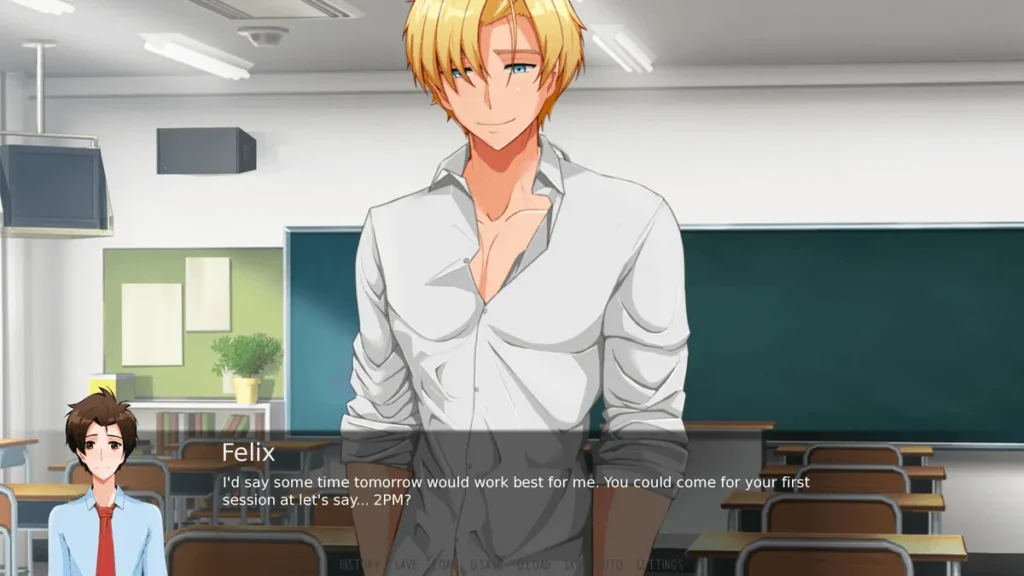

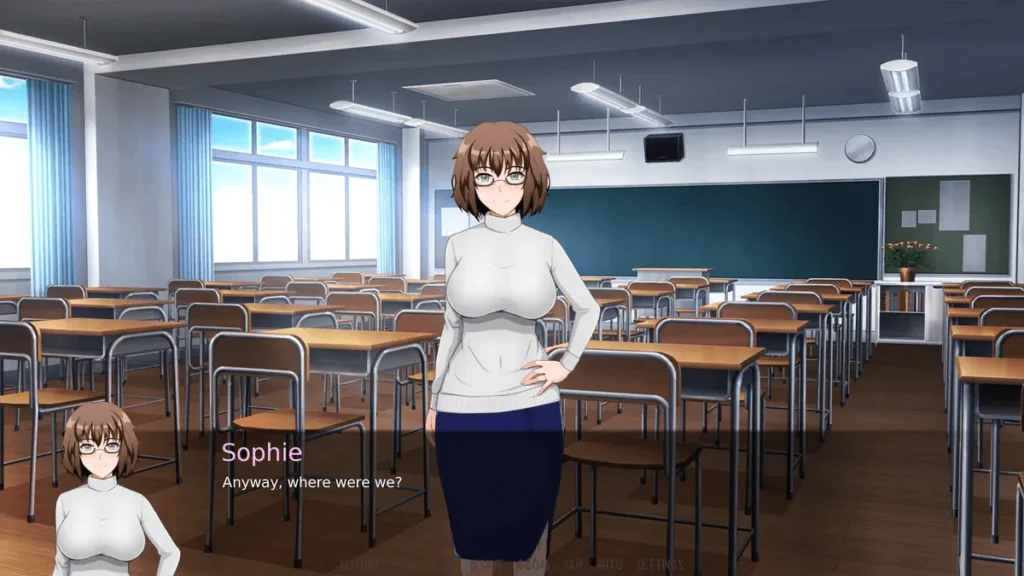

Turning the Page review
Master the narrative choices, character relationships, and endings in this interactive visual novel experience
Turning the Page stands out as an engaging interactive visual novel that combines compelling storytelling with meaningful player choice. This game invites players into a world where every decision shapes the narrative, creating unique experiences across multiple playthroughs. Whether you’re new to visual novels or a seasoned player, understanding the game’s mechanics, character dynamics, and branching storylines will enhance your journey. This guide explores everything you need to know about maximizing your experience with Turning the Page, from initial setup to unlocking all available endings and discovering hidden content.
Understanding Turning the Page: Gameplay Mechanics and Story Structure
So, you’ve just started Turning the Page, and you’re already staring at the screen, wondering if that seemingly innocent dialogue option just doomed your entire playthrough. I’ve been there. In my first run, I thought I was being charmingly sarcastic, only to watch my favorite character walk away for good. 🫣 That moment of panic—wondering “Can I go back? Should I?”—is the heart of this experience. This isn’t just reading a story; it’s building one, brick by brick, with every choice you make.
Welcome to the core of Turning the Page game mechanics. This chapter is your blueprint. We’re going to demystify how your decisions weave the narrative, how to nurture (or neglect) relationships, and ultimately, how to steer the tale toward your desired conclusion. Whether you’re here to experience one perfect story or to unlock every secret the game has to offer, understanding these systems is your first, most crucial step. Let’s dive in.
How Choice-Based Narrative Works in Turning the Page
At its core, Turning the Page is a masterclass in choice-based visual novel gameplay. Forget the illusion of choice; here, your selections carry genuine, often cascading weight. The game operates on a sophisticated branching narrative system that feels less like a straight path with detours and more like a growing tree. Each major branch splits into smaller twigs, leading to unique scenes, character insights, and ultimately, distinct endings.
The magic lies in its subtlety. Not every choice presents itself with dramatic music and a “THIS WILL BE REMEMBERED” prompt. Sometimes, it’s choosing to have your character study in the library instead of visiting the café. This might mean you miss a chance encounter with one character, but stumble upon a hidden journal entry that unlocks a special dialogue option with another three chapters later. This creates a deeply personalized story. My “Leo” was a cautious, bookish type because of my early choices, while a friend’s “Leo” was a bold romantic, leading to completely different middle chapters even before we reached the endgame.
Key things to remember about the narrative branching choices:
- The Autosave is Your Chronicle: The game autosaves at every major decision point and chapter start. Don’t fight it—use it! Your save history becomes a visual map of your branching path.
- Pacing and Playtime: A single, focused playthrough to one ending typically takes 6-8 hours. However, to see all the narrative branching choices and contexts, expect to invest 25-30 hours. Chapters are clearly defined, with natural break points perfect for session play.
- The “Skip Read Text” Feature is Your Best Friend: On subsequent playthroughs, this feature allows you to fast-forward through text you’ve already seen, but it will automatically pause at unseen content and new decision points. This is the single most efficient tool for how to unlock all endings without rereading every line.
🎯 Pro Tip: Pay attention to the silences. What your character chooses not to say or do can be as telling as any dialogue option. The game often tracks passive decisions, like consistently ignoring a character’s messages or failing to defend someone in a conversation.
Ultimately, the choice-based visual novel gameplay here empowers you to role-play. Decide who your protagonist is at their core, and make choices that align with that vision. The narrative will bend to accommodate you, for better or worse.
Character Relationship Systems and Affection Mechanics
If the branching narrative is the skeleton of Turning the Page, then the character affection system is its beating heart. This isn’t a simple “nice comment = +5 points” meter. Relationships are multidimensional, influenced by your values, your attentiveness, and your consistency.
The relationship mechanics in this visual novel are beautifully complex. Each major character has a hidden affinity score, but more importantly, they have memory flags. The game remembers if you kept a promise, recalled a personal detail they mentioned in passing, or supported their passion versus their practical ambitions. For instance, with the artist character, Mara, praising her technical skill might please her, but genuinely engaging with the emotion behind her work—remembering that the blue period was after her loss—will forge a much deeper connection.
Characters also react to your relationship with others. Getting too close to Alex might make the fiercely competitive Sam see you as a rival, opening new, prickly dialogue trees. Conversely, helping two friends reconcile might raise your affinity with both simultaneously. It’s a dynamic, living social web.
Here’s a breakdown of the primary character affection system triggers:
- Major Dialogue Choices: These are the obvious relationship crossroads, often with clear emotional tones (Supportive, Playful, Aloof, Logical).
- Minor Interactive Choices: Picking up an item related to a character, choosing to sit next to them, or volunteering to help them with a task.
- Consistency Checks: The game evaluates your long-term behavior. If you’ve portrayed yourself as honest, a single lie will have greater consequences.
- Private Moment Flags: Certain choices unlock one-on-one scenes. Saying “yes” to these is almost always a major boost, but what you do during that scene matters most.
To help you visualize the paths, here’s a guide to the main character routes and what they demand from you:
| Character Route | Core Relationship Requirement | Key Early Decision Point (Chapter 2) | Critical Mid-Game Choice (Chapter 5) | Primary Endings Linked To |
|---|---|---|---|---|
| Leo (The Writer) | Value vulnerability and creative honesty over perfection. Support his process, not just his outcomes. | Choose to read his draft notebook when he leaves it, and be gently critical, not flattering. | When he fears his work is cliché, encourage him to write from personal pain, not avoid it. | “Authentic Voice,” “Ghostwritten,” “Creative Block” |
| Mara (The Artist) | Show emotional intuition. Remember details about her past and connect art to feeling. | At the gallery, comment on the use of shadow in her self-portrait, not just the color. | Help her channel her anger into a new piece instead of encouraging her to “calm down.” | “Sublimated,” “Burned Out,” “Collaboration” |
| Sam (The Musician) | Respect ambition and drive. Challenge them intellectually and don’t offer empty praise. | During the debate, take the opposing side seriously and win your points with logic. | When offered a solo opportunity, advise them to take it, even if it strains the group. | “Soloist,” “Band Leader,” “Faded Chord” |
| Alex (The Archivist) | Prize history, memory, and stability. Be a patient listener and a keeper of secrets. | Spend extra time in the archives, asking about the origin of a specific, obscure photograph. | Protect the integrity of the historical record, even if it means exposing an uncomfortable truth. | “Keeper of Tales,” “Revised History,” “Lost & Found” |
👁️ Personal Insight: Don’t try to max out everyone. It’s nearly impossible and can lead to a “crowded” ending where no relationship feels truly deep. On my completionist run, I focused on one primary connection and one solid friendship for the richest narrative payoff.
Unlocking Multiple Endings Through Strategic Decisions
Ah, the grand finale—or rather, finales. The multiple endings guide you’re looking for starts here. Turning the Page doesn’t have a single “true” end, but a collection of thematically resonant conclusions that validate your entire journey. There are 14 distinct endings in total: 4 core “relationship” endings for each main character, 4 “personal growth” endings for the protagonist, 3 “group dynamic” endings, and 3 rare “secret” endings that require very specific, often counter-intuitive choice patterns.
The ending you receive is a direct result of two main factors: your relationship mechanics with key characters (primarily, who has the highest affinity by the final chapter) and a handful of critical narrative branching choices that define your protagonist’s arc. These critical choices are often about self-definition. In Chapter 7, for example, you’ll be asked what drives you. Is it “Connection,” “Legacy,” “Truth,” or “Freedom”? Your answer here locks in the thematic direction of your ending, which then combines with your strongest relationship.
How to unlock all endings efficiently requires a strategy:
- Play Blind First: Seriously. Enjoy one organic playthrough. Let your gut guide you. This is your authentic story.
- Identify Your Locked Ending: After your first end, check the gallery. Which character endings are grayed out? This gives you a target.
- Use Chapter Saves: Before any major decision flagged in the table above, create a manual save. Name it clearly, like “Ch5_Pre_Leo_Critical.” This lets you branch from key moments without replaying everything.
- Follow a Route Guide: For completion, focus on one character’s requirements at a time, using the Skip function to speed through shared story.
Let’s look at a concrete example. To unlock Leo’s “Authentic Voice” ending, a sequence might look like this:
- Chapter 2: You find Leo’s draft. Instead of choosing “It’s brilliant” (which he sees as hollow), you pick “The metaphor on page 3 feels shaky… but the raw emotion is powerful.” This shows honest engagement.
- Chapter 5: He’s struggling. You select “Write what scares you. The real story.” instead of “Maybe take a break from that project.”
- Chapter 8: His confidence is shot. A rival offers to “polish” his work for fame. You must have built sufficient affinity and chosen the self-definition of “Truth” earlier. You then choose “Your voice is non-negotiable. Walk away.”
- Result: In the finale, Leo publishes his authentic, challenging novel to critical acclaim, and your relationship, built on mutual creative respect, is a central part of his life. The ending slides show him reading a passage dedicated to you.
🔍 Anecdote: I missed the secret “Echoes of the Archive” ending twice because I was always too social. To trigger it, you must have a low affinity with all main characters but a high curiosity stat (built by examining every optional lore item) and choose “Freedom” as your drive. It leads to a solitary, wondrous ending where the protagonist becomes the new archivist, preserving stories without being entangled in them. It was hauntingly beautiful and completely different from the relationship-focused ends I’d pursued.
Remember, the Turning the Page game mechanics are designed to make your second, third, and tenth playthroughs as engaging as your first. Each decision is a brushstroke on a larger canvas. By understanding the systems—the weight of narrative branching choices, the nuances of the character affection system, and the logic behind the multiple endings—you’re not just playing a game. You’re learning to become the author of your most compelling stories within it. Now, go turn that page. Your next chapter awaits.
Turning the Page offers a rich, choice-driven experience that rewards careful attention to character interactions and narrative decisions. By understanding the game’s relationship mechanics, recognizing critical choice points, and strategically planning your playthroughs, you can unlock all available endings and discover the full depth of the story. Whether you’re pursuing a specific character route or exploring every possible narrative branch, the game’s branching structure ensures that each playthrough feels fresh and meaningful. Take your time with your decisions, pay attention to character dialogue and reactions, and don’t hesitate to replay sections to explore alternative paths. Your journey through Turning the Page will be uniquely shaped by the choices you make, creating a personalized narrative experience that reflects your preferences and values.