
To Be a King
Play To Be a King
To Be a King Screenshots
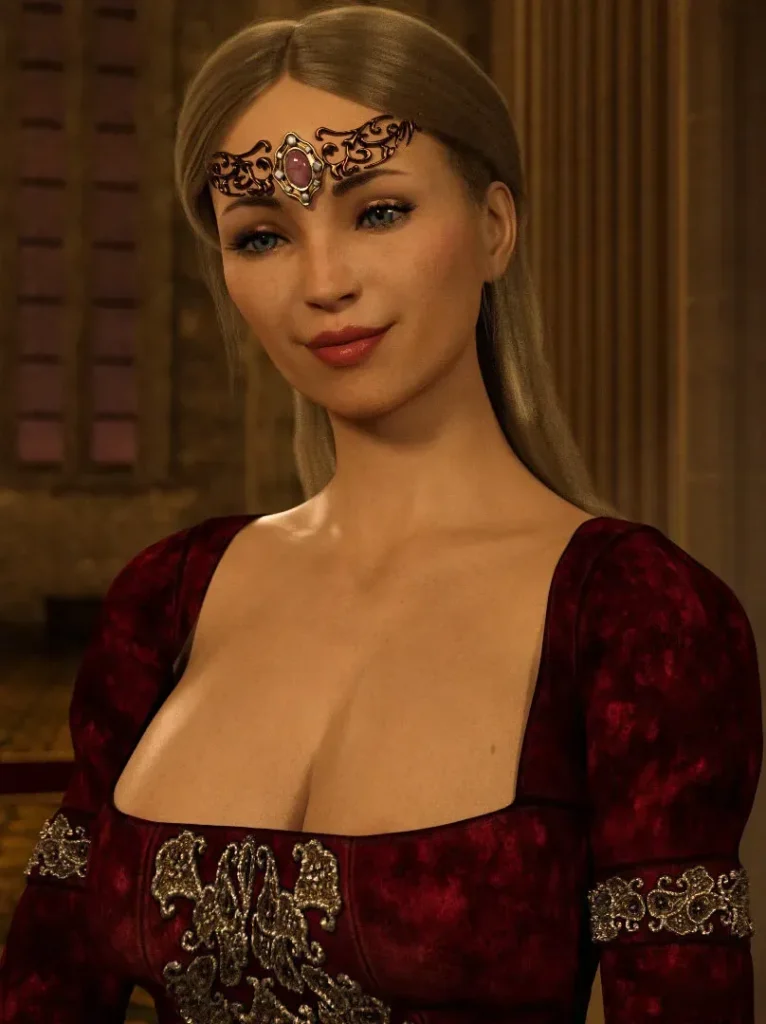





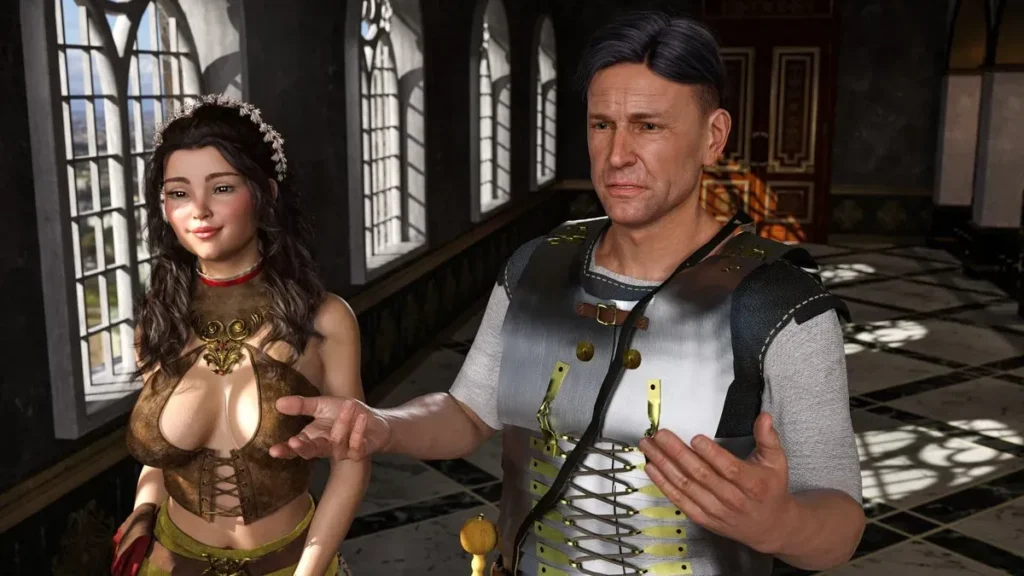

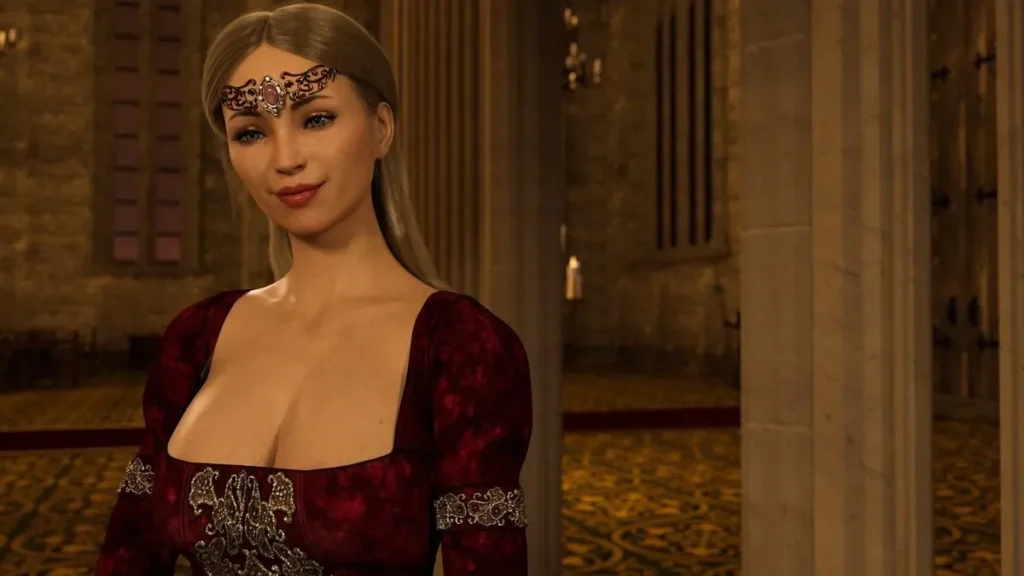
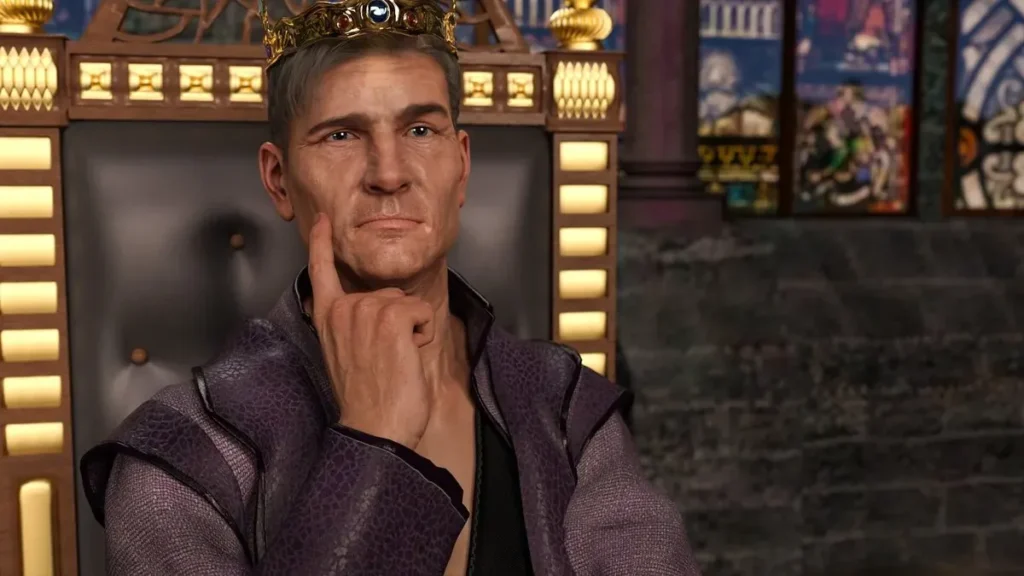

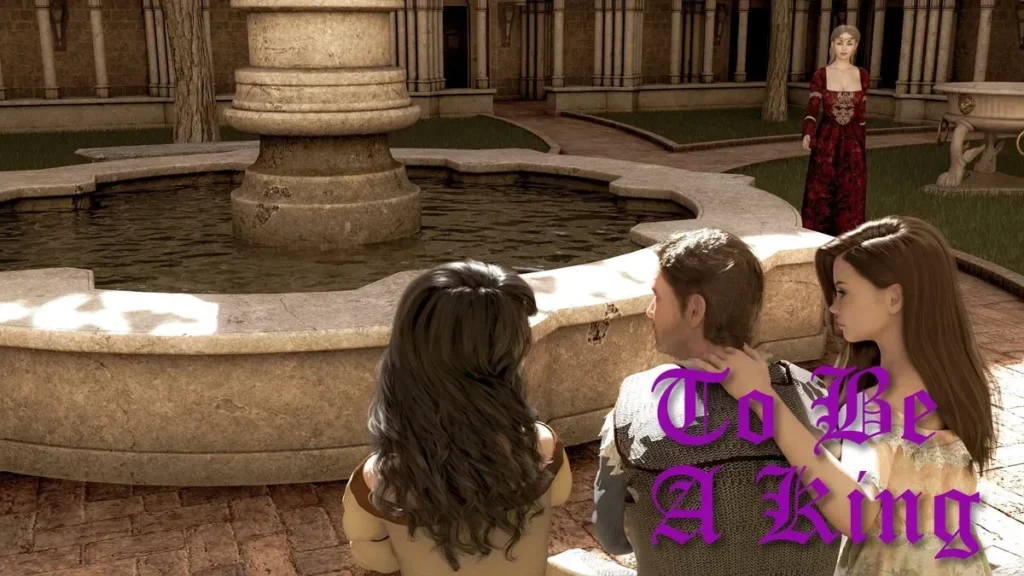

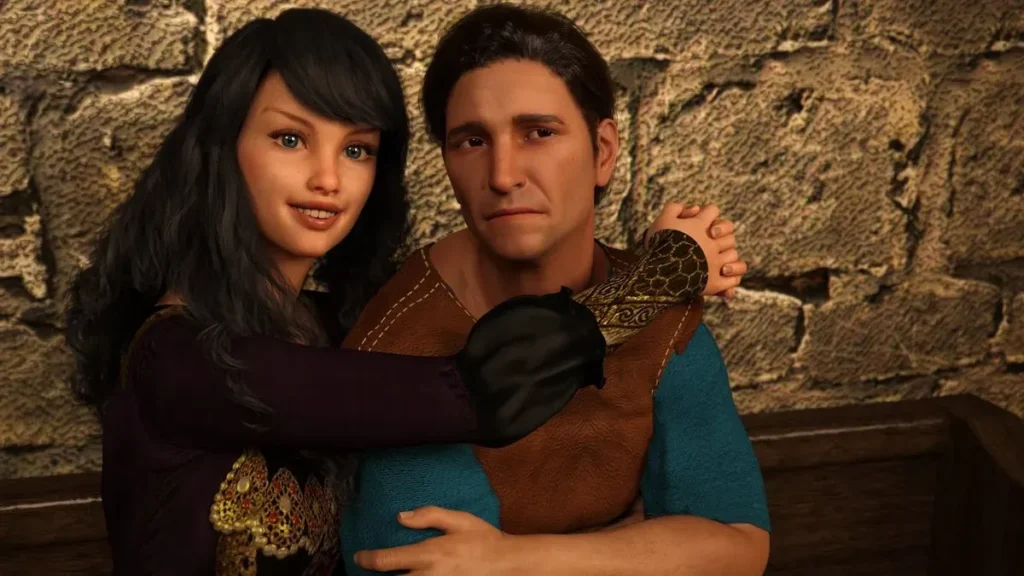


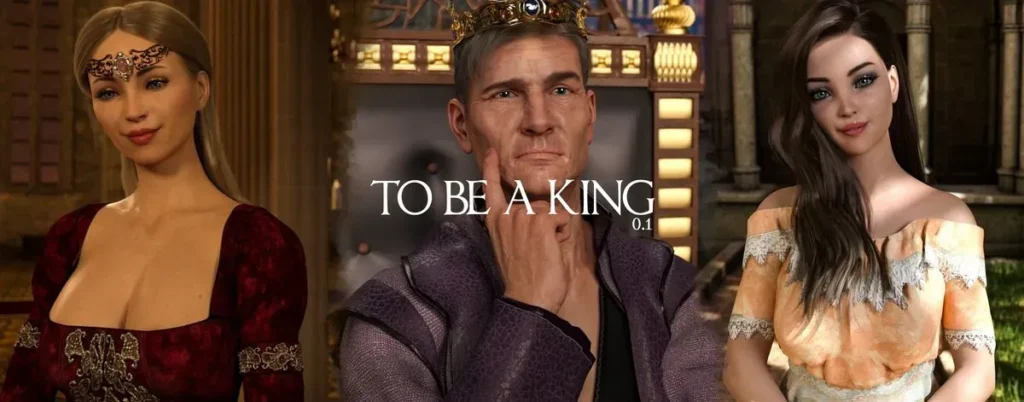
To Be a King review
Master the strategy, romance, and politics in this acclaimed adult visual novel
To Be a King stands out as a richly detailed adult visual novel that blends strategic empire management with compelling narrative choices. As a newly appointed royal minister in a Roman-inspired kingdom, you navigate political intrigue, forge alliances, and develop relationships while uncovering conspiracies that threaten the realm. With its combination of choice-driven storytelling, relationship building, and strategic gameplay elements, this game has earned a Very Positive rating from players. Whether you’re interested in the political maneuvering, character development, or the harem mechanics, To Be a King offers a deep and immersive experience that keeps players engaged through multiple playthroughs.
Gameplay Mechanics & Core Features
So, you’ve decided to step into the boots of a monarch in “To Be a King” – but let me tell you, ruling a kingdom is no walk in the park! 🏰 When I first booted up this game, I was blown away by how deeply it immerses you in the trials and triumphs of leadership. At its heart, the To Be a King gameplay mechanics are a masterful blend of strategy, storytelling, and personal connection. Whether you’re balancing the treasury or charming a courtier, every choice feels weighty and consequential. This isn’t just a game; it’s a test of your ability to juggle the demands of an empire management strategy game with the intimate dramas of a choice-driven visual novel. I learned this the hard way when my early, reckless decisions almost led to my virtual downfall! Let’s dive into the core features that make this experience so uniquely captivating.
Strategic Empire Management & Decision-Making
Welcome to the throne room, Your Majesty. 📜 The first thing you’ll notice is that your desk is never empty. Scrolls about tax reforms, reports of bandit raids, and petitions from hungry citizens pile up faster than you can say “royal decree.” This is where the strategic heart of “To Be a King” beats strongest. You’re not just reading a story; you’re actively building and maintaining a kingdom through a series of impactful decisions.
I remember my first major blunder like it was yesterday. Eager to impress, I splurged the kingdom’s gold on a magnificent public games, ignoring my steward’s warnings about a poor harvest. 🎪 Big mistake! A few months later, I faced a peasant revolt that drained my coffers even further to quell. This taught me that resource management here is a delicate dance. You must constantly balance your treasury, military strength, and public order. Every coin spent on building a new marketplace is a coin not spent on training soldiers, and vice-versa.
The game brilliantly frames this as a continuous decision-making loop. Each week or “turn,” you’re presented with a set of events and choices. Do you lower taxes to ease unrest, or raise them to fund a new castle wall? Do you send aid to a starving village, or use those supplies for your army? There’s no “right” answer, only consequences that ripple through your playthrough. This is the essence of an empire management strategy game—every choice is a strategic building block for your reign.
Here’s a piece of actionable advice I wish I had from the start: always maintain a emergency fund. Keeping a reserve of at least 20% of your gold can save you from disaster when unexpected events, like a plague or an invasion, strike. Also, don’t neglect your advisors! 👨⚖️ While the final call is yours, their counsel often hints at the long-term outcomes of your choices. Sometimes, the best move is a boring one—investing in farms and roads rarely feels heroic, but it creates a stable foundation for all your grander ambitions.
As you progress from Volume 1 into Volume 2 Part 1, the scope of your management duties expands. What begins as handling basic budgets and garrison orders evolves into overseeing trade routes, managing noble factions, and making macro-level policy decisions. This evolution keeps the To Be a King gameplay mechanics fresh and increasingly rewarding, making you feel like a true ruler growing into your role.
Character Relationships & Harem System
Now, let’s talk about the court’s most captivating resource: its people. ❤️ While you’re busy ruling, you’re also living, and “To Be a King” understands that a kingdom is nothing without the hearts within it. The relationship system in this game is astonishingly deep, moving far beyond simple flirtation. Each significant character, from fierce warrior women to cunning political allies, has a fully realized personality, history, and set of desires.
This is where the game’s identity as a choice-driven visual novel truly shines. Your interactions aren’t just dialogue trees; they are opportunities to shape your character’s personality and legacy. Do you present yourself as a merciful king, a stern ruler, or a charming libertine? The women in your court will respond accordingly. I once played a purely honorable king, only pursuing the dignified Lady Valeria. Her story arc, filled with slow-building trust and shared burdens, felt like a genuine medieval romance. In another playthrough, I embraced the harem game mechanics, trying to win the affection of every eligible character. Let me tell you, that path is a hilarious and dramatic tightrope walk of jealous glances and conflicting schedules! 😅
The beauty of the To Be a King relationship system is its total freedom. The game never forces you into romance. You can pursue all potential partners, commit to a single one, or focus solely on politics and friendship. This flexibility means every player’s story is unique. Want a tale of devoted love? You can have it. Prefer a complex web of courtly intrigue and fleeting affairs? That’s available too. The narrative branches significantly based on who you spend time with, unlocking exclusive side stories and scenes that can even influence political events.
Practical tip: Pay attention to character-specific hobbies and interests. During conversations, you’ll often get choices on how to respond or what gift to give. Remembering that Lady Anya prefers poetry over jewels, or that Commander Kaela respects blunt honesty over flattery, will massively boost your rapport. These relationships are also key to unlocking special bonuses—a loyal spymaster might give you better intelligence reports, while a romanced merchant could secure you trade discounts.
This aspect of the harem game mechanics is seamlessly woven into the larger strategy. Romancing a powerful duke’s daughter might secure a crucial alliance, while neglecting a key ally’s friendship could lead to betrayal. It’s a constant, engaging juggling act that makes the social gameplay as strategically vital as managing your armies.
Political Intrigue & Alliance Building
If managing resources is the brain of kingship and relationships are the heart, then politics is its treacherous, shadowy soul. 👑 Behind the glittering façade of court life, everyone has an agenda. Your reign will be a masterclass in political intrigue gameplay, where a whispered rumor can be as dangerous as a drawn sword.
Early on, you’ll face obvious threats, but the real danger often wears a smile. I learned this lesson after naively accepting a gift of wine from a seemingly loyal baron. It turned out to be poisoned! 🍷😂 From that day forward, I treated every friendly gesture with a healthy dose of suspicion. The game fills your court with characters who have competing goals. Some will openly challenge you, while others will plot in secret, waiting for you to show weakness.
This is where alliance building strategy becomes your most vital skill. You cannot rule alone. You must forge pacts with powerful noble houses, secure the loyalty of your military commanders, and even find common ground with religious leaders. Each alliance is a transaction: you offer protection, titles, or resources in exchange for their support. But beware—these pacts are fragile. If you fail to uphold your end of a bargain, or if you grow too powerful and threaten their interests, your allies can quickly become your fiercest enemies.
The choice-driven visual novel framework makes these political maneuvers intensely personal. Deciding to support one noble family in a land dispute will permanently alienate another. Intervening in a succession crisis for a neighboring realm could spark a war or earn you a grateful new king. Every diplomatic choice is tied to characters you know, making the stakes feel incredibly real. This political intrigue gameplay ensures that no two playthroughs are alike, as the web of alliances and enmities you weave defines your kingdom’s stability.
As the story progresses from Volume 1 to Volume 2 Part 1, the political landscape becomes exponentially more complex. Initial, straightforward alliances give way to multi-faction conflicts where you must play long games, plant spies, and make morally ambiguous deals to survive. The game brilliantly shows how your early choices set the stage for these advanced challenges.
To see how these strategic layers evolve, let’s look at the progression between the major releases:
| Gameplay Feature | Volume 1 | Volume 2 Part 1 |
|---|---|---|
| Empire Management Depth | Focus on foundational stability: basic tax collection, food supply, and garrison management. Decisions often have immediate, localized consequences. | Expanded into a provincial system. You now manage regional loyalty, specialized trade goods, and larger infrastructure projects with kingdom-wide effects. |
| Relationship & Harem Complexity | Introduces core characters and establishes initial romantic arcs. Choices primarily affect individual character paths and unlock personal scenes. | Relationships develop deeper consequences. Romantic entanglements directly influence political standing, and character arcs intertwine, creating complex narrative webs. |
| Political & Alliance Landscape | Sets up the major noble houses and external threats. Alliance building is often binary (friend or foe) and focused on surviving immediate crises. | Introduces shifting faction loyalties, proxy conflicts, and advanced diplomacy. Alliances require active maintenance and can have hidden clauses or betrayal triggers. |
| Scale of Choice Impact | Player decisions shape the king’s personal reputation and resolve the initial central conflict. Branching paths are clearly defined. | Choices accumulate, creating a unique “world state.” Early decisions resurface, affecting available options, alliances, and even which characters live or die. |
The true magic of “To Be a King” is how it balances all these elements. One moment you’re decoding a cryptic threat from a rival kingdom (alliance building strategy), the next you’re sharing a tender moment with a lover whose father you may have to oppose. The To Be a King gameplay mechanics don’t exist in silos; they collide and intertwine in wonderfully unpredictable ways. This creates a profoundly immersive experience where you’re not just playing a strategy game or reading a novel—you’re living a life of power, passion, and perpetual calculation. Whether you seek to build a legendary empire, a legendary romance, or a legendary web of intrigue, this game gives you the tools
To Be a King delivers a compelling blend of strategic gameplay, meaningful narrative choices, and character-driven storytelling that appeals to players seeking depth beyond traditional gaming experiences. The game’s Roman-inspired setting, combined with its focus on empire management and political intrigue, creates an engaging world where your decisions genuinely matter. With its Very Positive player reception and evolving gameplay across multiple volumes, To Be a King proves that adult visual novels can offer substantial content and replayability. Whether you’re drawn to the strategic elements, the romance options, or the intricate political narratives, this game provides hours of immersive entertainment. If you enjoy choice-driven stories, relationship building, and strategic decision-making, To Be a King is worth exploring. Start with Volume 1 to experience the foundation of this rich narrative world, and consider the official guide to maximize your playthrough experience.