Culture Shock
Play Culture Shock
Culture Shock Screenshots










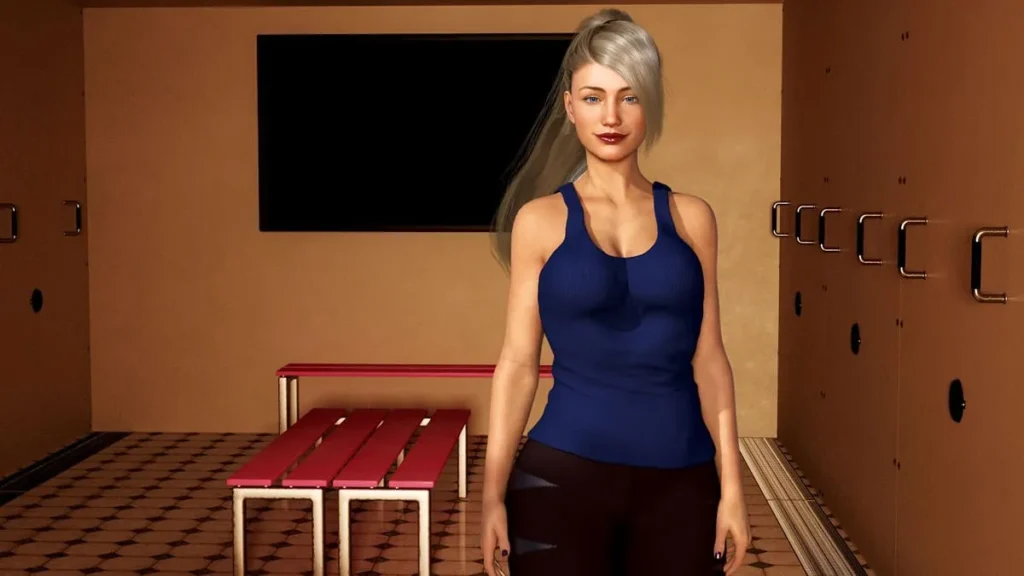



Culture Shock review
Exploring how indie games tackle cultural displacement and identity through interactive storytelling
Culture Shock stands as a distinctive entry in the indie game landscape, offering players a unique perspective on cultural displacement and identity exploration through interactive narrative design. This game challenges conventional storytelling by placing players directly into scenarios that explore what it means to navigate unfamiliar cultural environments. Whether you’re a game enthusiast interested in narrative-driven experiences or someone curious about how games address complex social themes, Culture Shock provides compelling insights into modern game design. The title itself serves as both a literal descriptor and a thematic anchor, inviting players to experience disorientation, adaptation, and personal growth through gameplay mechanics that prioritize choice and consequence.
Understanding Culture Shock: Game Mechanics and Core Gameplay
Ever felt like you’ve landed on another planet? 😵 That moment when the food is unfamiliar, the social rules are a mystery, and you can’t even figure out how to buy a bus ticket. Now, imagine a game that doesn’t just tell you about that feeling—it makes you live it. That’s the genius of Culture Shock, an indie title that turns the messy, human experience of cultural displacement into its core gameplay. This isn’t about saving the world from aliens; it’s about navigating the subtle, often confusing journey of finding your place in a new one.
The brilliance of its indie game narrative design lies in a simple, powerful idea: the mechanics are the message. Every confusing interaction, every tense dialogue, every small victory in adaptation is driven by the game’s systems. It’s a masterclass in how interactive storytelling games can use player agency to explore profound themes. You don’t watch a character struggle; you are the one struggling, learning, and hopefully, adapting through every choice you make.
So, let’s pull back the curtain. How does this game build its uniquely immersive world? It all starts with the foundational Culture Shock game mechanics.
How Culture Shock Structures Player Experience
From the moment your character steps off the train in a bustling, unfamiliar city, the game begins its careful orchestration of disorientation and discovery. 🚂 The structure isn’t about leveling up a skill tree in combat; it’s about leveling up your understanding. Your character sheet isn’t filled with strength or magic stats, but with social capital, local language proficiency, and cultural familiarity.
The game world operates on its own internal logic, and it’s your job to decode it. This is where the indie game narrative design truly shines. The tutorial isn’t a separate, hand-holding sequence. Your first in-game day is the tutorial, and it’s brutally effective. You need to find a place to stay, but the addresses use a different numbering system. You’re hungry, but the menu is a wall of untranslated script. The game mechanics here are simple actions—”Examine,” “Ask,” “Attempt”—but their outcomes are complex and often uncertain.
The pacing is deliberately uneven, mimicking real-life adaptation. Some days, you’ll have a breakthrough and feel a surge of progress (like finally mastering a local greeting correctly). Other days, you’ll face a cascade of minor failures that drain your in-game composure and your real-life patience. This emotional rollercoaster is the point. It forges a direct empathetic link between you and your character’s experience of cultural displacement in games.
The game brilliantly uses UI (User Interface) elements to reinforce this. Your dialogue options aren’t always fully translated. Sometimes you only catch the gist of a word, represented by a fuzzy, partial translation. Your map fills in slowly as you visit places, leaving vast areas shrouded in the fog of war—only this fog is the fog of the unknown, not of magic. This structural design ensures the player’s experience mirrors the protagonist’s internal journey.
Player Tip: Don’t rush. The game rewards patience and observation. Sometimes the most productive action is to just sit on a park bench and watch how people interact. You might learn a new gesture or overhear a useful phrase!
Interactive Mechanics That Drive Narrative Forward
If the structure sets the stage, the interactive mechanics are the actors. 🎭 Culture Shock moves beyond traditional point-and-click adventure logic. Here, your interactions are layered with social risk and potential for misunderstanding. Let’s break down the key systems that power this consequence-driven gameplay.
The Dialogue & Relationship Web: This is the heart of the game. Conversations are not just for gathering information; they are the primary gameplay loop. The dialogue choice mechanics are deeply tied to your growing knowledge. Early on, you may only have clumsy, direct options or the choice to remain silent. As your language skill improves, you unlock more nuanced responses, sarcasm, humor, and even the ability to understand subtext.
But it’s not just what you say—it’s how you say it. The game often presents choices in tone (Formal, Familiar, Emotional) alongside the text itself. Using a familiar tone with an elder might lose you respect, while being too formal with a new friend could create distance. These choices directly feed into an invisible relationship web with every character you meet, affecting what they will share, how they will help you, and how they speak of you to others.
Environmental Puzzle-Solving: Need to mail a letter? In another game, you’d find a mailbox, click it, and be done. In Culture Shock, this is a multi-step puzzle. You need to:
1. Find out where to buy stamps (ask someone, but do you know the word?).
2. Figure out the correct postage (interpret a confusing chart).
3. Address the envelope in the local format (did you observe how it’s done?).
4. Find the right slot at the post office (which is closed for a local holiday you didn’t know about). 😅
These mundane tasks become engaging puzzles because the barrier isn’t logic, but cultural displacement. Solving them feels genuinely rewarding because you’ve used your learned knowledge, not just an inventory item.
The “Composure” Meter: This is your emotional health bar. Social blunders, constant misunderstandings, and loneliness drain it. A low composure meter can lead to negative outcomes—snapping at someone unintentionally, misreading a situation, or simply giving up on a task. You can restore it by engaging in comforting routines (making a familiar food if you can find the ingredients), having a positive social interaction, or achieving a small victory. This mechanic physically manifests the stress of adaptation, making the emotional stakes tangible and gameplay-relevant.
| Game Mechanic | Player Action | Thematic Impact (Cultural Displacement) |
|---|---|---|
| Partial Translation | Choosing a dialogue option based on incomplete understanding. | Simulates the real anxiety and guesswork of communicating in a new language. |
| Social Ritual Minigame | Performing a sequence of actions (greeting, gift-giving, small talk) in the correct order and timing. | Highlights the unspoken, ritualistic rules of social interaction that vary wildly between cultures. |
| Reputation Tracker | Your actions in one social circle affect how you are perceived in another. | Reflects how, in close-knit communities, your identity is shaped by the perceptions and gossip of others. |
Choice Systems and Consequence Management
This is where Culture Shock elevates itself from a simulative experience to a powerful narrative engine. 🧠 The game’s philosophy is that no choice is too small to matter. This creates a rich tapestry of consequence-driven gameplay that makes every decision feel weighted.
The game avoids a simple “good/bad” morality system. Instead, consequences are about social alignment and opportunity cost. Helping one family with their market stall might earn you their trust and a cheap source of food, but it might alienate a rival vendor who later could have offered you a lucrative job. There is rarely a “perfect” choice, only a choice that aligns with the identity you are building for your character in this new world.
The Ripple Effect: Choices ripple out in time and through the community. A minor slight you forgot about in Week 1 might be remembered by a character who becomes important in Week 3. The game uses a hidden “memory” system for NPCs, making the social world feel alive and accountable. This is a hallmark of sophisticated choice-based game systems—the world remembers.
Branching Pathways, Not Endings: While there are multiple potential endings, the game is less about the destination and more about the path. The narrative branches significantly based on which community you integrate into. Do you spend most of your time with the expat artists, the local shopkeepers, or the university students? Each group offers different quests, perspectives on the city, and ultimately, shapes your character’s final understanding of “home.” Your choices don’t just change a ending slide; they change the entire middle of the story.
Example: The Street Food Incident
Let’s look at a specific scenario. Early on, you encounter a street vendor. You’re hungry, and the food looks good.
* Choice A (Point and gesture): You successfully buy food. Simple.
* Choice B (Attempt to ask for a recommendation in broken local language): The vendor is amused and impressed. He gives you a sample of something not on display, teaches you the name, and charges you less. You gain a +5 to “Market District Friendliness” and unlock a new dialogue topic about local cuisine.
* Choice C (Complain about the lack of hygienic standards, based on your own cultural norms): The vendor is offended. Other customers side with him. Your composure drops. You are now marked with a temporary “Rude Outsider” tag in that market, making all prices higher and interactions colder for the next few in-game days.
This isn’t a life-or-death choice, but it perfectly encapsulates the game’s philosophy. Choice B, the riskier social play, yields the greatest reward in integration. Choice C, a moment of cultural insensitivity, creates a tangible setback. This moment, repeated in dozens of variations across the game, teaches the player to think before acting, to consider cultural context, and to embrace vulnerability—which is the core of real adaptation. 🤝
Balancing Challenge and Accessibility: The game understands that this constant tension can be exhausting. It offers robust “difficulty” settings that are actually experience settings. You can adjust factors like:
* Composure Drain Rate
* Language Learning Speed
* Explicitness of Social Cues (e.g., turning on icons that hint at a character’s mood)
This allows players to tailor the intensity of the cultural displacement simulation to their desired experience, making a challenging thematic game accessible to a wider audience without diluting its message.
In Culture Shock, the game mechanics and the story are inseparable. Every confusing menu, every successful greeting, every fractured conversation is part of the narrative it wants to tell about identity, belonging, and the struggle to connect. It proves that interactive storytelling games can be about more than epic fantasies; they can be profound, personal mirrors to our own world. By building its themes directly into the choice-based game systems and dialogue choice mechanics, it creates a space where we don’t just play a story—we live its complexities, one uncertain, meaningful choice at a time.
Culture Shock represents a meaningful contribution to the indie game landscape, demonstrating how interactive media can authentically explore complex themes of cultural displacement and identity. Through its carefully designed mechanics, nuanced narrative, and thoughtful representation, the game invites players to step into unfamiliar perspectives and develop empathy for experiences different from their own. The game’s success—both critically and among players—underscores the growing appetite for games that tackle social themes with depth and respect. Whether you’re interested in narrative design, cultural representation in media, or simply seeking a thought-provoking gaming experience, Culture Shock offers valuable insights and engaging gameplay. As the gaming industry continues to evolve, titles like Culture Shock pave the way for more diverse storytelling that challenges players to think critically about the world around them.